A Complete Guide: How to Finish a Concrete Surface Properly
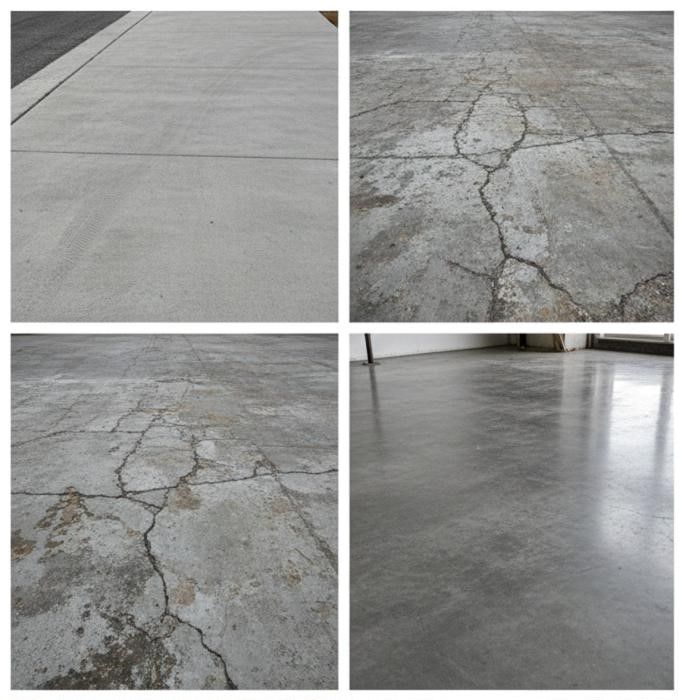
Finishing a concrete surface might seem straightforward, but achieving a durable, visually appealing result is both an art and a science. With long years of experience in the flooring and construction industry, It can be confidently said that the key to great concrete lies not just in pouring it — but in how you finish it.
Understanding the Basics
Concrete finishing begins once the concrete has been placed and levelled. At this stage, the goal is to transform a rough slab into a strong, smooth, and functional surface. The process typically involves steps such as screeding, floating, trowelling, and curing — each serving a critical purpose.
Essential Steps in Concrete Surface Finishing
- Screeding - Screeding sets the concrete to the right grade.
- Floating - Floating brings slurry to the top, preparing the surface.
- Trowelling - Trowelling refines that surface, removing imperfections.
- Curing - Curing seals in moisture to ensure strength and longevity. Skipping or rushing any of these steps can lead to cracks, weakness, or premature wear.
Tools and Timing Matter
From hand tools like bull floats and hand trowels to power trowels for larger areas, selecting the right tool at the right time is crucial. Timing is equally important: finishing too early can create dusting or tearing, while finishing too late makes the job harder and less effective.
Why Professional Expertise Counts
This is where FCR steps in. At FCR, we understand that every project — whether a residential driveway or a commercial slab — demands precision and the right technique. Our team of trained professionals uses industry-best practices and quality materials to ensure your concrete surface not only looks good but also stands the test of time. We also advise on joint placement, curing methods, sealers, and surface treatments tailored to your specific use-case. With Firstchoice Readymix, you’re not just finishing concrete; you’re optimizing performance and durability.