How Injecting CO₂ into the Mix Is Creating Carbon-Negative Structures
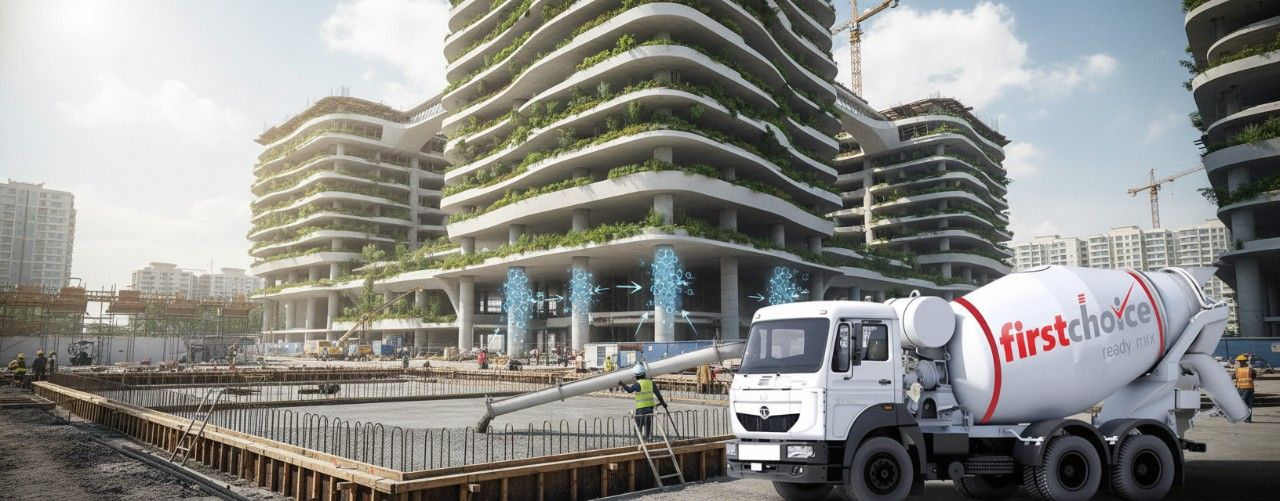
The construction industry is rethinking how buildings are made—and how they impact the planet. One of the most powerful innovations driving this change is injecting CO₂ directly into the concrete mix, a method that turns a major pollutant into a long-term asset. This approach is helping create carbon-negative structures that are both sustainable and high-performing.
Why Concrete Needs a Sustainable Shift
Concrete is essential to modern construction, but traditional cement production releases significant amounts of CO₂. To move beyond simple emission reduction, the industry now requires solutions that capture and permanently store carbon.
How CO₂ Injection Works?
Instead of releasing CO₂ into the atmosphere, this technology reuses captured carbon during concrete production. The process includes:
- Injecting captured CO₂ into fresh concrete.
- CO₂ reacting with calcium compounds in cement.
- Formation of stable calcium carbonate crystals.
- Permanent locking of CO₂ within the concrete matrix.
This chemical reaction ensures that carbon is stored for the entire life of the structure.
What Makes It Carbon-Negative?
CO₂-infused concrete can absorb more carbon than it emits during production. Unlike offsets, this method embeds sustainability directly into the building material. Key environmental benefits:
- Permanent carbon sequestration.
- Reduced overall carbon footprint.
- Lower dependency on high-cement mixes.
Performance Benefits Beyond Sustainability
Injecting CO₂ doesn’t weaken concrete—it strengthens it. Structural advantages include:
- Improved compressive strength.
- Reduced porosity and water absorption.
- Enhanced durability and service life.
- Faster strength gain for quicker construction cycles.
Building the Future, Responsibly
By transforming CO₂ from a waste product into a building resource, this innovation is reshaping construction. Carbon-negative concrete proves that sustainability and performance can go hand in hand—creating structures that are not just built to last, but built to give back to the planet.